Personalization Gap
One-Size-Fits-All Problem
The One-Size-Fits-All Problem
Current food discovery platforms treat all users the same, ignoring the fact that food preferences are deeply personal and influenced by culture, dietary restrictions, past experiences, and individual taste profiles. This generic approach leads to irrelevant recommendations and poor user experiences.
Generic recommendations ignore what makes each person's taste unique.
Critical Personalization Gaps
What current platforms fail to understand about users
No understanding of individual taste preferences
Platforms don't learn what flavors, cuisines, or cooking styles users actually enjoy based on their dining history.
Impact: Users receive recommendations for foods they dislike or have no interest in trying.
Example: A user who loves spicy food gets recommendations for mild dishes, or someone who prefers vegetarian options sees meat-heavy restaurants.
Lack of dietary restriction considerations
Most platforms don't properly filter recommendations based on allergies, dietary restrictions, or religious requirements.
Impact: Users with dietary restrictions receive irrelevant or potentially harmful recommendations.
Example: A vegan user sees steakhouse recommendations, or someone with gluten intolerance gets suggestions for pasta restaurants.
Missing cultural and regional preferences
Algorithms ignore cultural background and regional taste preferences that significantly influence food choices.
Impact: Recommendations don't align with users' cultural comfort zones or familiar flavor profiles.
Example: A user from South India gets North Indian food recommendations, or someone from a specific region gets generic 'Indian food' suggestions.
No learning from past choices
Platforms don't analyze user behavior, past orders, or dining patterns to improve future recommendations.
Impact: The system never gets smarter about what users actually like, leading to repeated poor suggestions.
Example: A user consistently chooses Italian restaurants but keeps getting Chinese food recommendations.
Generic algorithms ignore user context
Current systems don't consider the user's current situation, mood, time of day, or social context when making recommendations.
Impact: Recommendations are contextually inappropriate and don't match the user's immediate needs.
Example: Suggesting expensive fine dining when the user is looking for quick lunch, or recommending family restaurants for a romantic date.
The Cost of Poor Personalization
Low Relevance
Only 15% of generic recommendations match user preferences
User Frustration
Users abandon apps after 3-4 irrelevant recommendations
Missed Opportunities
Great restaurants lose potential customers due to poor targeting
What True Personalization Requires
Data Collection
- • Detailed taste preference profiling
- • Dietary restrictions and allergies
- • Cultural and regional background
- • Past dining behavior analysis
- • Social context and occasion preferences
Smart Algorithms
- • Machine learning from user feedback
- • Contextual recommendation engines
- • Collaborative filtering with similar users
- • Real-time preference adaptation
- • Multi-factor decision algorithms
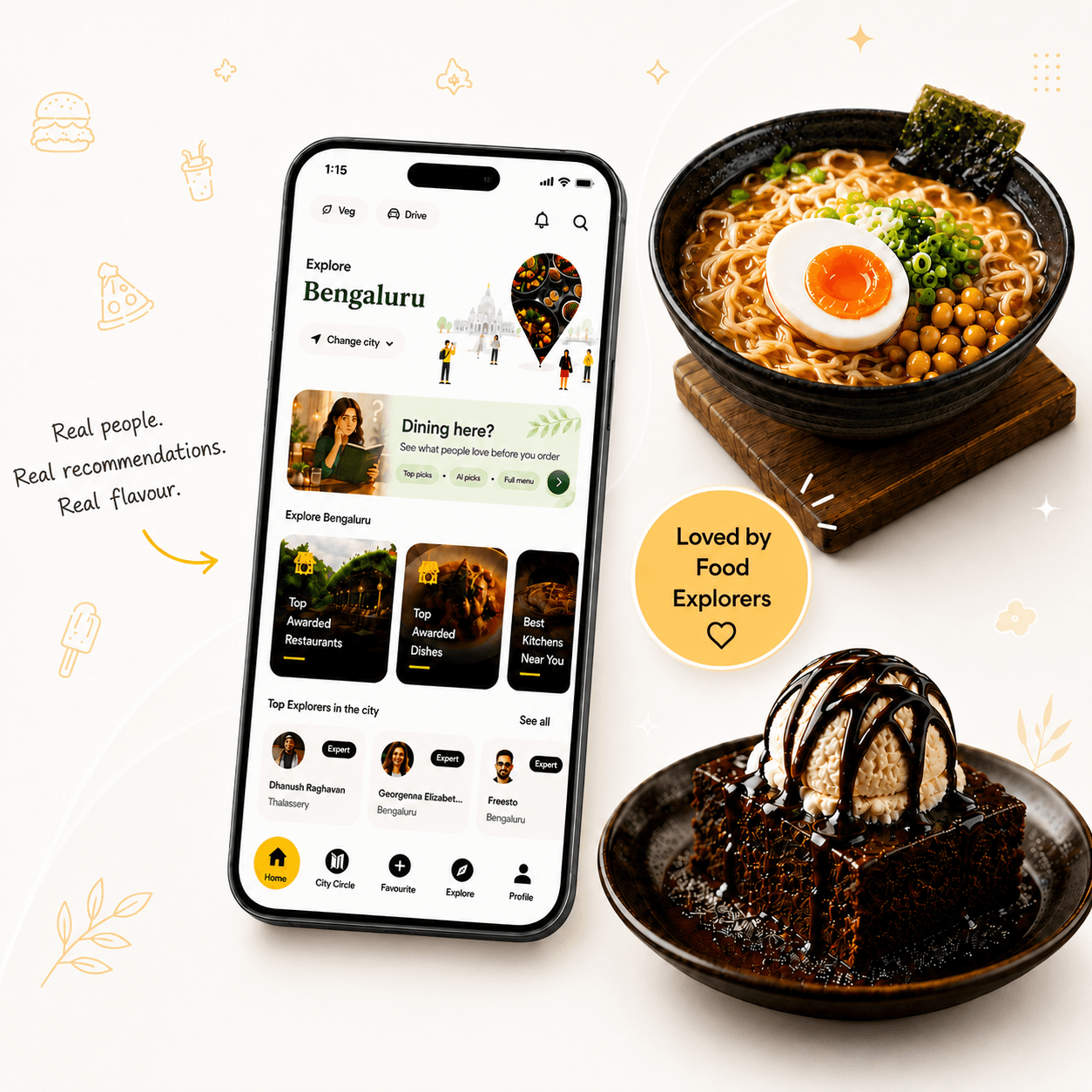
FavHiker's Taste Match System
Advanced AI that learns your unique taste profile and provides personalized recommendations that actually match your preferences.
Smart Taste Profiling
AI analyzes your dining history, preferences, and feedback to build a comprehensive taste profile.
Adaptive Learning
The system continuously learns from your choices and refines recommendations over time.
Community Insights
Connect with food explorers who share similar taste preferences for better recommendations.
Contextual Awareness
Recommendations adapt to your current location, time, mood, and dining occasion.